
 Optical Boutique
 Dry Eye Treatment
 Browse Eyewear
Is IPL Dry Eye Treatment Worth It? What Fredericksburg Patients Should Expect
Is IPL Dry Eye Treatment Worth It? What Fredericksburg Patients Should Expect
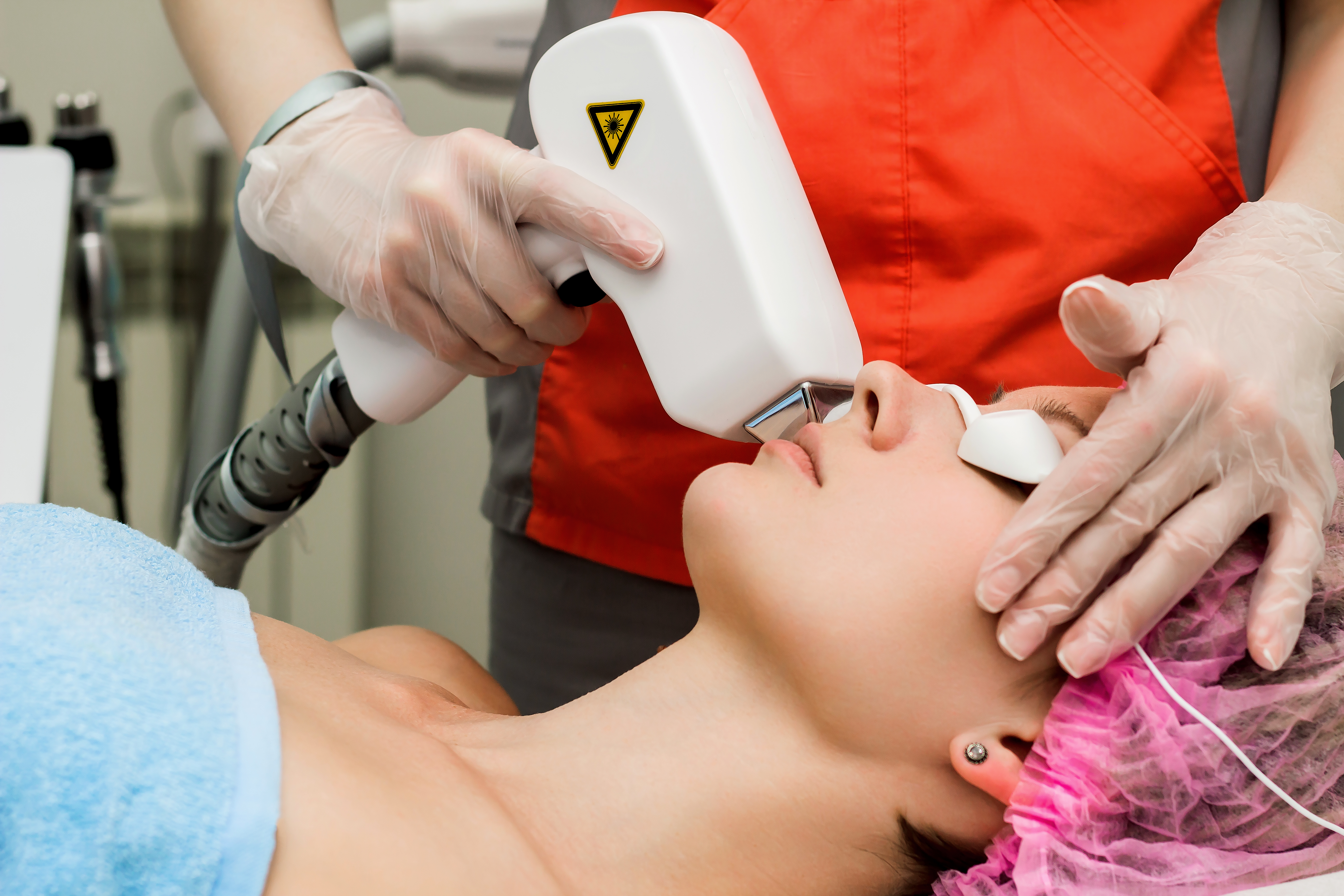
Living with dry, irritated eyes can make reading, driving, working on a computer, and wearing contact lenses uncomfortable. When artificial tears and at-home remedies are not providing enough relief, IPL dry eye treatment may offer another option. At Texas State Optical in Fredericksburg, we offer Lumenis OptiLight IPL to help address dry eye associated with meibomian gland dysfunction, or MGD.
How Does IPL Help With Dry Eye?
Intense pulsed light, or IPL, uses controlled pulses of light around the eye area to address inflammation linked to MGD. The meibomian glands produce oils that help keep tears from evaporating too quickly. When these glands become blocked or do not function properly, evaporative dry eye symptoms can develop.
OptiLight is designed specifically for managing dry eye disease associated with MGD. Treatment may help improve tear stability and reduce inflammation so the eyes can stay more comfortable throughout the day.
Signs IPL May Be Worth Considering
IPL dry eye treatment may be worth discussing if you have ongoing symptoms despite using lubricating eye drops or making lifestyle changes. Common signs of dry eye and MGD can include:
• Burning, stinging, or irritated eyes
• A gritty or sandy sensation
• Redness around the eyes
• Fluctuating or blurry vision
• Excessive watering caused by irritation
• Contact lens discomfort
• Symptoms that regularly return despite temporary relief
Because dry eye can have several causes, an evaluation is important before deciding whether IPL is the right treatment for you.
What Should Fredericksburg Patients Expect From OptiLight IPL?
OptiLight treatments are performed in our office and typically take about 15 minutes. The system allows treatment settings to be adjusted for precise delivery of light energy. According to the treatment information provided by Lumenis, patients with dry eye related to MGD are commonly treated over a series of four sessions.
During treatment, controlled pulses of light are applied to targeted areas around the eyes. Patients may notice brief flashes of light or a warming sensation. Because IPL does not require surgery or incisions, patients can generally return to their normal activities after treatment.
Is IPL Dry Eye Treatment Right for Everyone?
IPL can be an effective option for certain types of dry eye, but it is not automatically the best treatment for every patient. Dry eye may result from poor oil production, insufficient tears, eyelid conditions, environmental factors, medications, or a combination of causes.
That is why we evaluate your eyes and tear film before recommending treatment. Depending on what we find, IPL may be used on its own or as part of a broader dry eye treatment plan. Our Fredericksburg practice also offers advanced dry eye testing and additional therapies such as TearCare, MiBo Thermoflo, LipiFlow, and Tyrvaya.
Find Out if IPL Is Worth It for Your Dry Eye
If chronic irritation is interfering with your daily comfort, schedule a dry eye evaluation with Texas State Optical Fredericksburg to learn whether OptiLight IPL is appropriate for your needs. Contact our office in Fredericksburg, TX, by calling (830) 992-3286 to book an appointment.
Quick Links
Helpful Articles
article_category: products
article_category: psychiatry
article_category: faqs
article_category: cats
article_category: general
article_category: services
article_category: technology
article_category: dogs
article_category: restorative
article_category: vision therapy
article_category: contact lenses
article_category: health
article_category: conditions
article_category: eye surgery co-management
article_category: exotic
article_category: cosmetic
article_category: surgical procedures
article_category: aesthetics
article_category: preventative
article_category: ocular disease management
article_category: eyeglasses
article_category: eye health
article_category: large animal
[]
article_category: psychiatry
article_category: faqs
article_category: cats
article_category: general
article_category: services
article_category: technology
article_category: dogs
article_category: restorative
article_category: vision therapy
article_category: contact lenses
article_category: health
article_category: conditions
article_category: eye surgery co-management
article_category: exotic
article_category: cosmetic
article_category: surgical procedures
article_category: aesthetics
article_category: preventative
article_category: ocular disease management
article_category: eyeglasses
article_category: eye health
article_category: large animal
[]
Flowbite is an open-source library of interactive components built on top of Tailwind CSS including buttons, dropdowns, modals, navbars, and more.
Check out this guide to learn how to get started and start developing websites even faster with components on top of Tailwind CSS.

All Eyecare Services
We offer a wide variety of eye care services to the Fredericksburg community. Contact us with any questions about our services.

Keep In Touch
For non-urgent questions or to learn more about our services, contact us today!

Contact Information
Office Hours
- Monday 8:30 AM - 5:30 PM
- Tuesday 8:30 AM - 5:30 PM
- Wednesday 8:30 AM - 5:30 PM
- Thursday 8:30 AM - 5:30 PM
- Friday 8:30 AM - 5:30 PM
- Saturday Closed
- Sunday Closed
- Monday 9:00am - 6:00pm
- Tuesday 9:00am - 6:00pm
- Wednesday 9:00am - 6:00pm
- Thursday 9:00am - 6:00pm
- Friday 9:00am - 6:00pm
- Saturday 10:00am - 2:00pm
- Sunday Closed
- Monday 8:00am - 5:00pm
- Tuesday
- Wednesday
- Thursday
- Friday
- Saturday
- Sunday
© 2026 Texas State Optical. All rights Reserved - Accessibility Statement - Privacy Policy - Sitemap
Managed and Designed by 