
 Optical Boutique
 Dry Eye Treatment
 Browse Eyewear
Getting Used to Progressive Lenses: Practical Tips
Getting Used to Progressive Lenses: Practical Tips
Progressive lenses can make everyday vision more convenient by combining distance, intermediate, and near correction in one pair of glasses. If you are new to progressives, however, the first few days may feel different from wearing single-vision glasses or traditional bifocals.
At Texas State Optical in Fredericksburg, we help patients choose and adjust to prescription eyewear that fits their vision needs and daily routines. Knowing how progressive lenses work and what to expect can make the transition easier.
How Do Progressive Lenses Work?
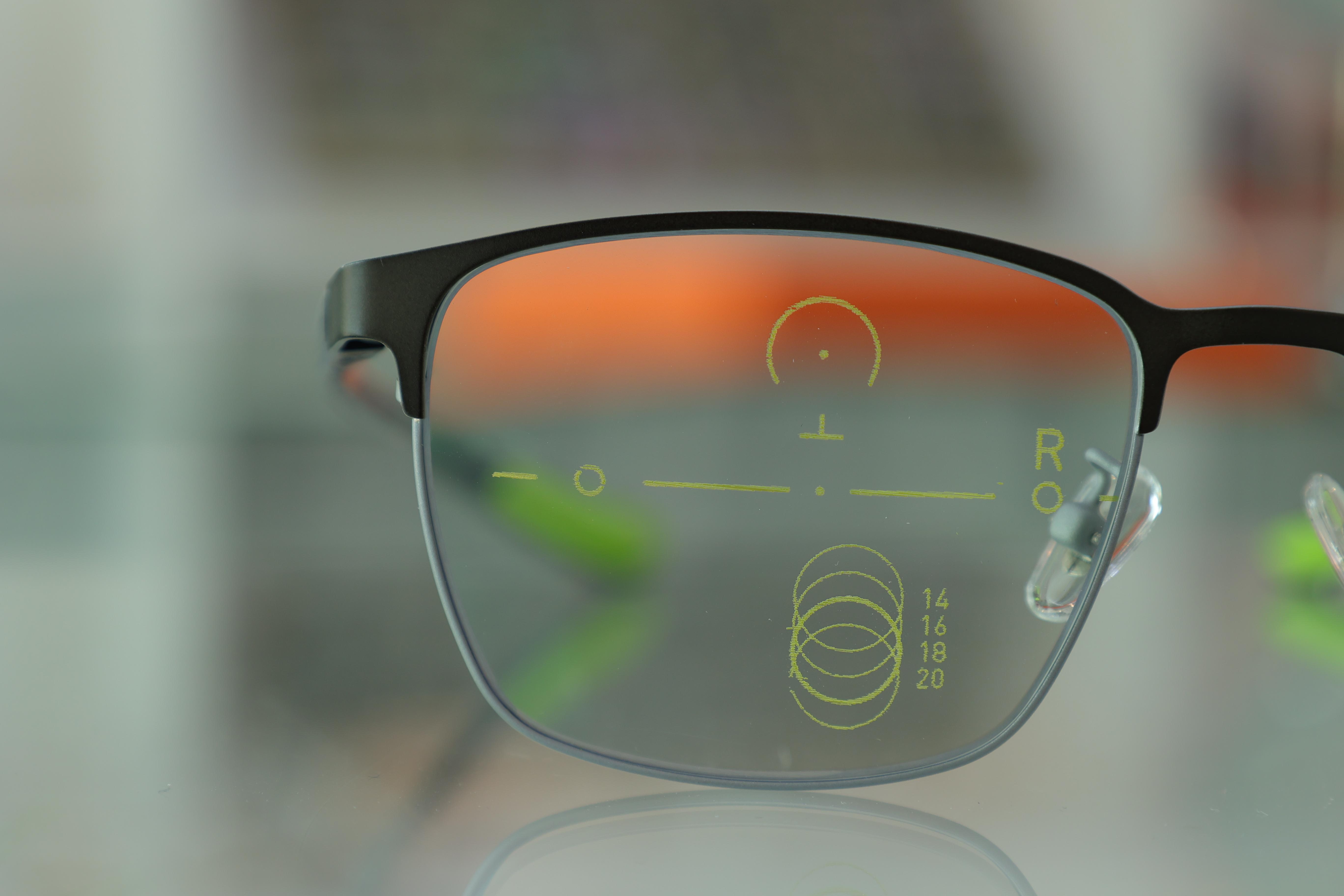
Progressive lenses contain several prescription powers that change gradually from the top to the bottom of the lens. The upper portion is generally used for distance vision, the middle supports intermediate tasks such as computer work, and the lower portion provides near vision for reading.
Unlike bifocals, progressives do not have a visible line separating the prescription zones. This creates a smoother appearance and allows you to move between several viewing distances with one pair of glasses.
Because each area of the lens has a specific purpose, your eyes and head may need time to learn where to look for different tasks.
Is an Adjustment Period Normal?
Yes. Some Fredericksburg patients adapt to progressive lenses quickly, while others need several days or longer before the lenses feel natural.
You may initially notice mild peripheral blur, feel like you need to move your head more, or find that stairs and floors look slightly different when viewed through the reading portion of the lens. These sensations generally become less noticeable as you become accustomed to the new viewing zones.
Wearing your new glasses consistently usually helps your visual system adapt more effectively than frequently switching back to an older pair.
Tips for Getting Comfortable With Progressives
A few simple habits can make the adjustment process easier:
Point your nose toward what you want to see instead of relying only on side-to-side eye movement
Look through the upper portion of the lenses for distance
Lower your eyes through the middle or lower areas for computer work and reading
Move your head slightly when viewing objects at the sides
Take extra care on stairs until you become familiar with the lens zones
Wear your new glasses consistently so your eyes can adapt
If you feel significant dizziness or discomfort, remove the glasses when necessary and contact your eye care team rather than forcing yourself through severe symptoms.
Why Does Proper Frame Fit Matter?
Progressive lenses depend on accurate measurements and proper positioning. If your frames sit too high, too low, or slide down your nose, the viewing zones may not line up correctly with your eyes.
That is why professional fitting matters. At our Fredericksburg optical, we consider frame size, bridge fit, temple position, and lens measurements when preparing progressive eyewear.
Even small frame adjustments can sometimes make a noticeable difference in how naturally you find the distance, intermediate, and near areas of the lens.
What if Computer Work Still Feels Difficult?
Progressive lenses include an intermediate zone, but your specific computer setup can influence how comfortable that area feels. A monitor that is too high, too close, or too far away may require you to tilt your head or search for the clearest portion of the lens.
Adjusting the monitor height and distance may help. Patients who spend many hours at a desk may also benefit from discussing computer-specific or occupational lenses designed around intermediate and near tasks.
When Should You Come Back for an Adjustment?
A short learning period is normal, but persistent blur, headaches, significant distortion, or difficulty finding clear viewing zones should be checked.
Your prescription, frame alignment, or lens measurements may need to be reviewed. Progressive lenses should become more comfortable with use, not remain consistently frustrating.
If you are considering progressive lenses or need help adjusting to a new pair, contact Texas State Optical at 1021 South Hwy 16, Fredericksburg, TX 78624 by calling (830) 992-3286 to schedule an eye exam or eyewear consultation.
Quick Links
Helpful Articles
article_category: restorative
article_category: vision therapy
article_category: contact lenses
article_category: health
article_category: conditions
article_category: eye surgery co-management
article_category: exotic
article_category: cosmetic
article_category: products
article_category: psychiatry
article_category: faqs
article_category: cats
article_category: general
article_category: services
article_category: technology
article_category: dogs
article_category: surgical procedures
article_category: aesthetics
article_category: preventative
article_category: ocular disease management
article_category: eyeglasses
article_category: eye health
article_category: large animal
[]
Flowbite is an open-source library of interactive components built on top of Tailwind CSS including buttons, dropdowns, modals, navbars, and more.
Check out this guide to learn how to get started and start developing websites even faster with components on top of Tailwind CSS.

All Eyecare Services
We offer a wide variety of eye care services to the Fredericksburg community. Contact us with any questions about our services.

Keep In Touch
For non-urgent questions or to learn more about our services, contact us today!

Contact Information
Office Hours
- Monday 8:30 AM - 5:30 PM
- Tuesday 8:30 AM - 5:30 PM
- Wednesday 8:30 AM - 5:30 PM
- Thursday 8:30 AM - 5:30 PM
- Friday 8:30 AM - 5:30 PM
- Saturday Closed
- Sunday Closed
- Monday 9:00am - 6:00pm
- Tuesday 9:00am - 6:00pm
- Wednesday 9:00am - 6:00pm
- Thursday 9:00am - 6:00pm
- Friday 9:00am - 6:00pm
- Saturday 10:00am - 2:00pm
- Sunday Closed
- Monday 8:00am - 5:00pm
- Tuesday
- Wednesday
- Thursday
- Friday
- Saturday
- Sunday
© 2026 Texas State Optical. All rights Reserved - Accessibility Statement - Privacy Policy - Sitemap
Managed and Designed by 